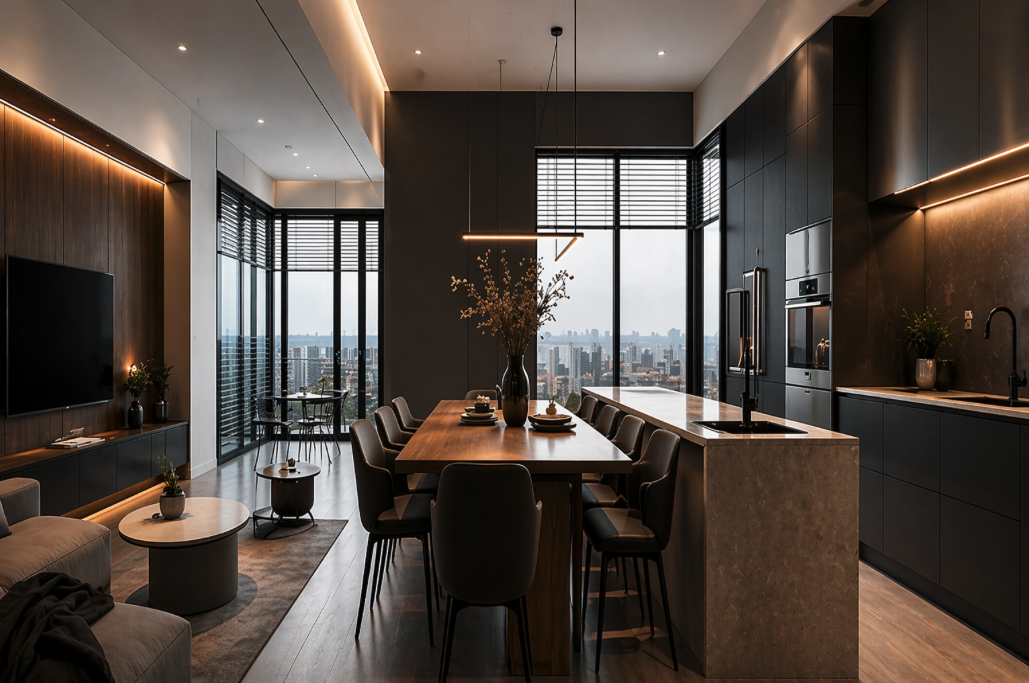
Why renovation mistakes are so common
Renovation is a one-time major decision for most homeowners. With so many design choices, materials and suppliers available today, mistakes often happen due to unclear decisions early in the process.
Common renovation mistakes
Strategy Guide
Underestimating cost
Many homeowners focus only on the base quotation and overlook hidden costs. A 10–15% buffer is recommended.
Strategy Guide
Choosing based on price
The cheapest quote often leads to unclear scope and additional costs later.
Strategy Guide
Overdesigning

Too many features without considering daily use leads to impractical spaces.
Strategy Guide
Poor storage planning
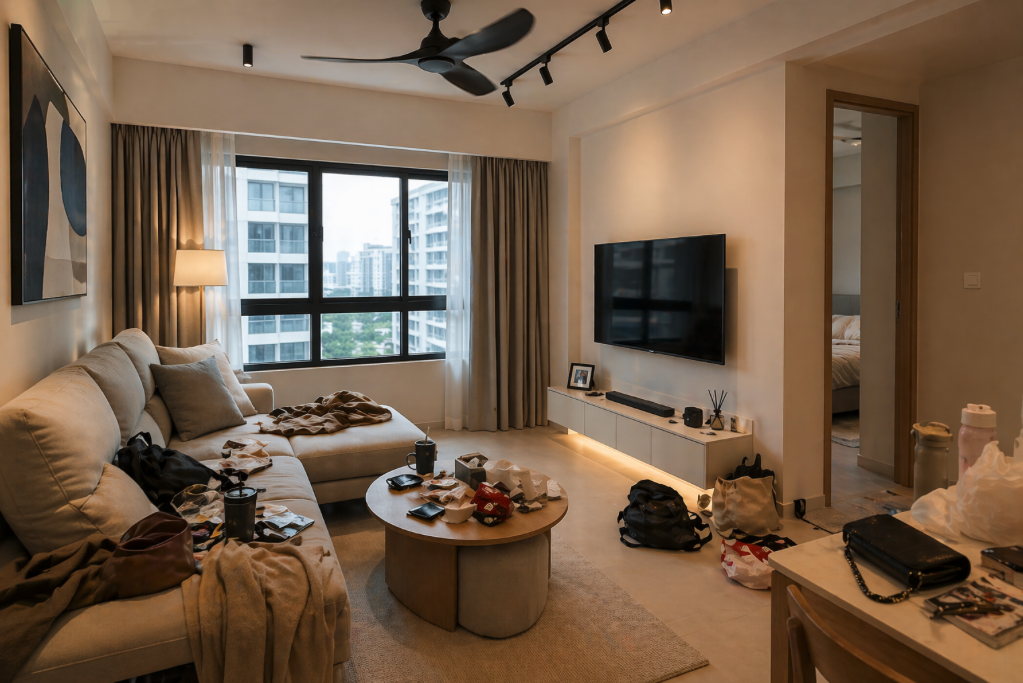
Insufficient storage is one of the most common long-term regrets.
Strategy Guide
Following trends too closely
Trends change faster than renovation cycles and may not age well.
Strategy Guide
Late decisions and design changes
Indecision, adding features late, or redesigning midway causes delays and rework.
Strategy Guide
Underestimating resale complexity
Resale flats often require more hidden work such as hacking and rewiring.
Strategy Guide
Buying materials without understanding dependencies
Owner-supplied items such as overseas purchases can delay work if not delivered on time or incorrectly specified.
How to avoid these mistakes
Start with a clear design direction
Align expectations early
Finalise key materials before work
Understand sequencing
Focus on function over trends
Final perspective
Most homeowners do not regret spending more. They regret unclear decisions and rushed choices. In practice, clarity early in the process prevents more problems than budget alone ever can.
Related renovation planning guides
Plan your renovation with clearer cost, timeline and scope control
Before setting your budget, read our Singapore renovation cost guideso you can compare BTO, resale and condo renovation budgets more realistically.
To avoid delays from late decisions, owner-supplied items or unclear quotation scope, read our HDB renovation timeline guidebefore renovation work starts.
If your main concern is whether your renovation budget is realistic, use our Renovation Cost Calculator to get a planning estimate before comparing quotations.
Renovation mistakes FAQ
What is the most common renovation mistake in Singapore?+
The most common renovation mistake is confirming a quotation before the scope is clear. Homeowners may compare only the total price without checking carpentry length, electrical quantity, hacking scope, material grade, waterproofing and exclusions.
Why do renovation budgets exceed the original quotation?+
Budgets usually increase because of unclear scope, late design changes, hidden resale conditions, additional electrical points, upgraded materials, extra carpentry or items that were not included in the original quotation.
Is choosing the cheapest renovation quote risky?+
It can be risky if the quotation leaves out important work. A cheaper quote may exclude hacking, haulage, waterproofing, electrical points, soft-closing hardware, internal cabinet finishing or proper site protection.
What should I check before signing a renovation contract?+
Check the itemised scope, payment schedule, material specifications, carpentry measurements, timeline, warranty, variation rules, HDB approval responsibilities and whether important exclusions are clearly stated.
Why is storage planning so important for HDB homes?+
Most Singapore homes have limited floor area. Poor storage planning causes daily clutter even if the renovation looks good. Storage should be planned around luggage, cleaning tools, appliances, kids items, documents and long-term lifestyle needs.
Can following renovation trends become a mistake?+
Yes. Trend-heavy designs can look dated quickly or be hard to maintain. A better approach is to keep fixed renovation elements practical and timeless, then use loose furniture, lighting and styling for trend expression.
What mistakes happen when homeowners buy their own materials?+
Owner-supplied items can create problems when dimensions are wrong, delivery is late, fittings are missing or warranty responsibility is unclear. Sinks, taps, lights, fans and bathroom accessories should be checked before installation dates.
How do late design changes affect renovation?+
Late design changes can affect drawings, carpentry fabrication, electrical points, lighting layout, tile orders and site sequence. A small change can trigger rework if the related trade has already completed its part.
What is a smart renovation buffer for Singapore homeowners?+
A practical buffer is 10% to 15% for BTO projects and 15% to 25% for resale projects. Resale homes need more buffer because concealed site conditions are only fully known after hacking starts.
How can I avoid renovation delays?+
Confirm layout early, decide key materials before work starts, avoid too many separate vendors, order long-lead items early and keep communication centralised. Delays often come from coordination gaps rather than construction speed alone.
Should I prioritise design or function first?+
Function should come first. Good design should support daily use, cleaning, storage, lighting and maintenance. Once function is clear, the visual design can be built around it without wasting budget.
How do I know if a renovation quotation is complete?+
A complete quotation should clearly list quantities, materials, assumptions, exclusions and work stages. If many items are described only as lump sum or optional, ask for clarification before comparing it with another quote.
Avoid Costly Renovation Mistakes